

Manav Rachna University
Faridabad Haryana
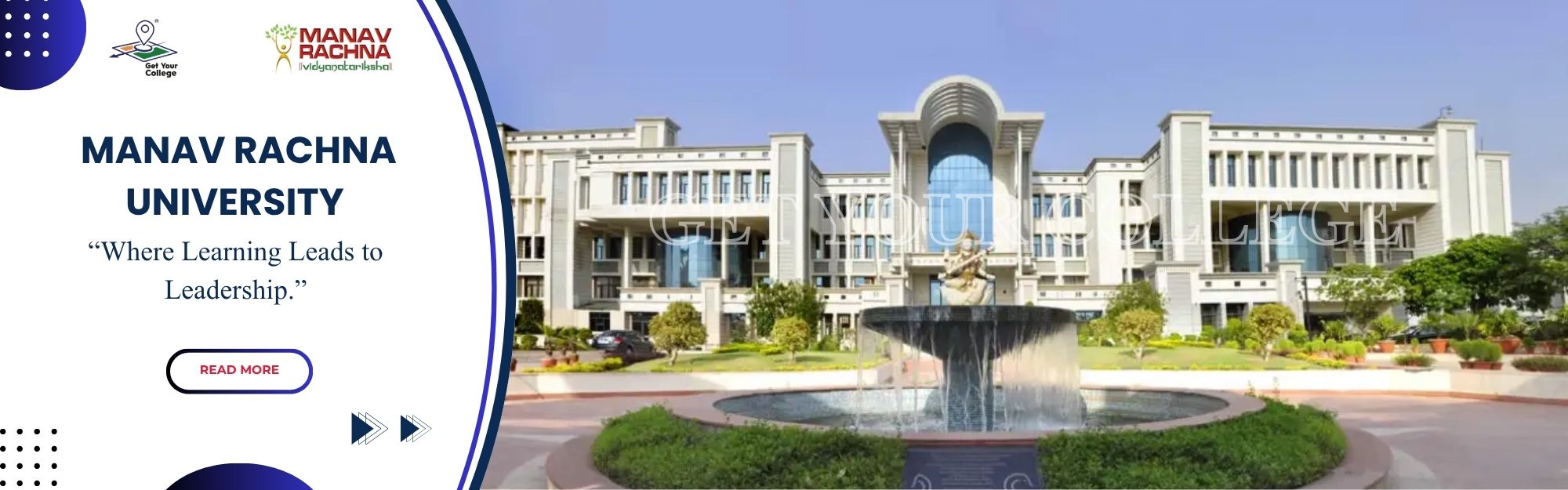
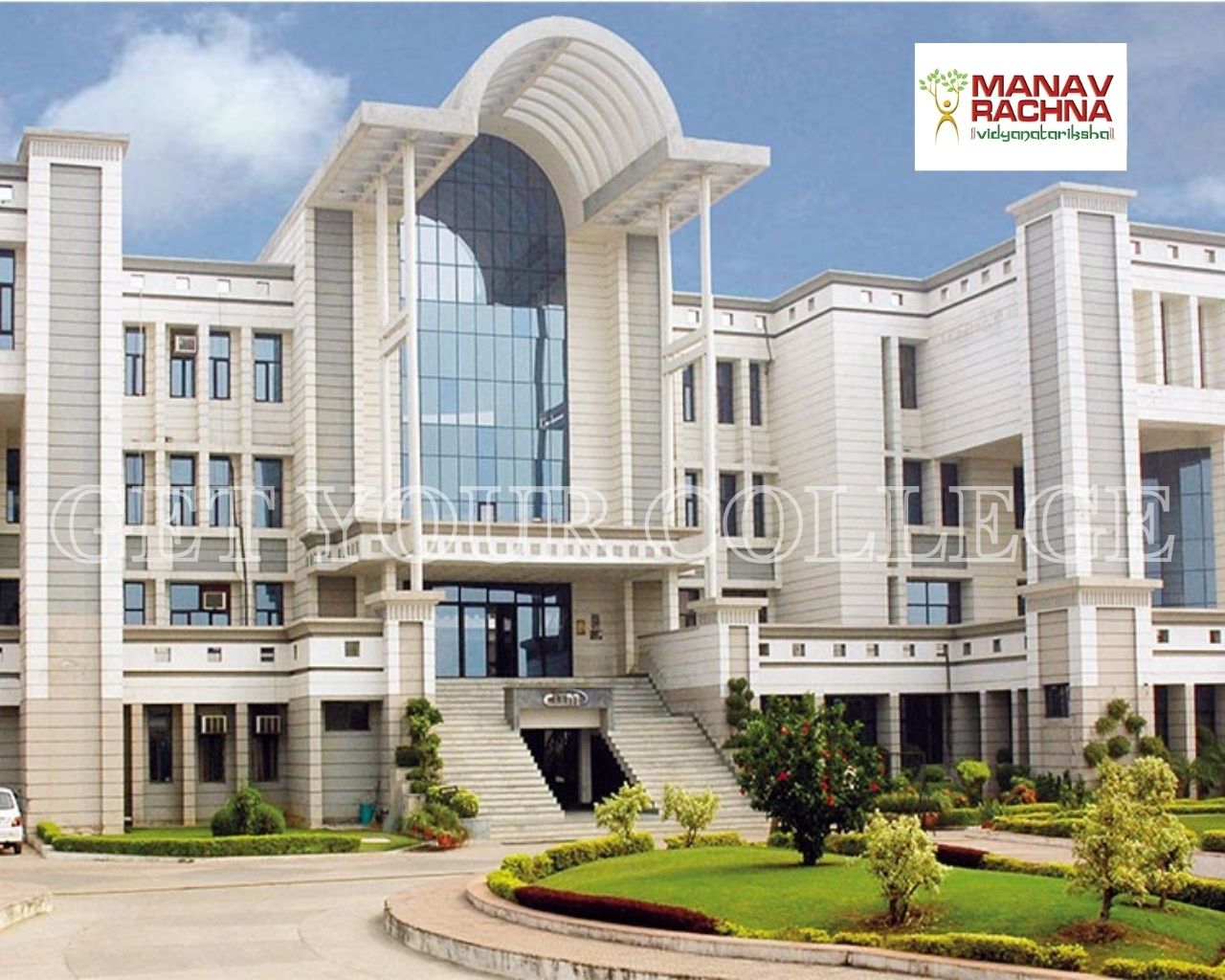

Manav Rachna Bengaluru University is a dynamic, industry-aligned higher education campus located in Bengaluru, delivering career-focused undergraduate, postgraduate, and research programs across engineering, management, healthcare, and allied sciences. The campus emphasises practical learning, strong industry partnerships, modern research labs, and comprehensive student support systems that prepare graduates for employability and entrepreneurship. Manav Rachna Bengaluru University integrates experiential learning, internships, and industry-driven projects to ensure students gain job-ready skills, with placement support, scholarships, and global exposure opportunities. The campus leverages Bengaluru’s tech ecosystem, offering students access to internships, industrial visits, and placements with top recruiters. The university’s curriculum design, soft-skills training, and career services collectively build a professional pipeline that helps students secure roles in IT, product engineering, research, finance, healthcare, and management sectors. Manav Rachna Bengaluru University champions inclusive education, innovation-driven pedagogy, and faculty mentorship to nurture future-ready professionals.
Key short-description highlights:
Focus Keyword: Manav Rachna Bengaluru University is placed at the start for SEO prominence.
Program breadth: Engineering, Management, Pharmacy, Allied Health, and Research programs.
Student outcomes: Industry internships, high placement rates, and entrepreneurial incubation.
Campus strengths: Modern labs, experiential learning, and Bengaluru industry linkages.
Manav Rachna Bengaluru University is an extension of the Manav Rachna educational group’s mission to deliver high-quality, industry-relevant higher education in India’s tech capital. The Bengaluru campus is purpose-built to combine research-led teaching with hands-on learning experiences, aligning program outcomes with employer expectations. The campus prioritises a multidisciplinary approach, enabling students from engineering to management to collaborate on capstone projects, innovation challenges, and startup incubation initiatives. The faculty team blends academic credentials with substantial industry experience, delivering curriculum through project-based modules, labs, and live industry briefs to keep learning outcomes current.
Academic structure and approach: Manav Rachna Bengaluru University follows a structured academic framework designed around outcomes-based education, continuous assessment, and competency mapping. Core courses integrate laboratory sessions, workshops, and soft skill modules, while electives offer specialisation tracks in fields such as data science, AI, sustainable engineering, healthcare management, and fintech. Research centres and applied labs support faculty-student collaboration on funded projects, patents, and publications, encouraging undergraduates and postgraduates to engage in meaningful research.
Student life and ecosystem: The campus cultivates a vibrant student ecosystem with academic clubs, technical societies, cultural events, and sports facilities. Student-led committees manage technical fests, management conclaves, and community outreach programs, ensuring leadership development and social responsibility. Career Services maintains relationships with the placement cell, coordinating industry interactions, internship drives, and recruitment events. The campus fosters entrepreneurship through mentorship, seed funding tie-ups, and coworking spaces for budding startups.
Internationalisation and partnerships: Manav Rachna Bengaluru University pursues international collaborations for student exchange, faculty mobility, and joint research. Short-term exchange programs and collaborative projects with overseas universities create global exposure. Industry partnerships with Bengaluru’s IT, biotech, and manufacturing sectors facilitate live projects, internships, and recruitment pipelines, ensuring relevance and high employability for graduates.
Accreditations and standards: The campus adheres to national regulatory norms and seeks continuous improvement through accreditation processes, quality assurance, and stakeholder feedback loops. Emphasis on transparent governance, student-centric policies, and academic integrity sets the foundation for long-term institutional credibility.
University rankings provide comparative measures across teaching, research, placements, industry collaboration, and infrastructure. Manav Rachna Bengaluru University participates in regional and national ranking frameworks that evaluate academic quality, research output, and student outcomes. Rankings vary by ranking body; prospective students should consider multiple indicators rather than a single rank.
How rankings are determined:
Teaching and learning resources: Faculty qualifications, faculty-student ratio, and learning outcomes.
Research and professional practice: Publications, patents, funded projects, and PhD output.
Graduates’ employability: Placement statistics, employer feedback, and employer reputation.
Outreach and inclusivity: Community programs, diversity, and student support services.
Perception surveys: Academic and employer reputation components.
Interpreting rankings for students:
Program-level vs institutional ranks: Departmental ranking may differ from overall institutional ranking.
Year-on-year trends: Improvements show progress in research, placements, or academic quality.
Contextualised decisions: For career-focused students, placement and industry collaboration metrics matter more.
Recommendations for content presentation:
Present the latest ranks and trends, with the year and ranking body noted.
Link to official ranking pages and accreditation certificates for transparency.
Use descriptive qualifiers: “Top private technical campus in Bengaluru for industry-aligned education”.
Manav Rachna Bengaluru University offers a portfolio of top courses designed to meet contemporary industry demand, combining technical depth with applied learning. Key flagship programs include B.Tech (Computer Science, Electronics, Mechanical, Civil), MBA (Analytics, Marketing, Finance, HR), B.Pharm and M.Pharm, B.Sc in Allied Health Sciences, and integrated research programs. Each program is engineered for practical exposure via labs, internships, project work, and industry mentorship.
Table: Flagship Courses and Key Features
Program | Duration | Career Focus | Notable Features |
|---|---|---|---|
B.Tech Computer Science | 4 years | Software development; AI; Data Science | Industry projects: AI/Data labs |
B.Tech Electronics & Communication | 4 years | Embedded systems; IoT | Dedicated IoT and hardware labs |
B.Tech Mechanical | 4 years | Product design; Manufacturing | CAD/CAM labs; workshops |
MBA (Analytics, Marketing, Finance) | 2 years | Management roles; analytics | Live projects; industry internships |
B.Pharm / M.Pharm | 4 / 2 years | Pharma industry; R&D | Pharmaceutical labs; pharma industry tie-ups |
B.Sc. Allied Health | 3 years | Clinical technician roles | Clinical training; hospital tie-ups |
M.Tech (Specialisations) | 2 years | Advanced technical roles | Research-focused thesis; labs |
Why these courses stand out:
Curriculum Relevance: Curricula are updated to reflect industry trends, especially in AI, data science, and Industry 4.0 domains.
Practical Exposure: Mandatory internships, industry-sponsored capstones, and lab-intensive modules ensure hands-on learning.
Industry Mentors: Many programs incorporate guest lectures and mentorship from Bengaluru’s industry leaders.
Employability: Resume-building workshops, mock interviews, coding bootcamps, and placement drives are integrated into the academic calendar.
Special program tracks and certifications: Several courses offer dual certification, skill badges, and micro-credentials in domains such as cloud computing, cybersecurity, business analytics, and healthcare informatics. These stackable credentials enhance a student’s job-readiness and help build a competitive CV.
Research and project emphasis: Postgraduate and select undergraduate programs have a strong research or thesis component. Students can collaborate with faculty on funded projects, co-author papers, and present at national conferences. This research emphasis makes the university an attractive option for students aiming for R&D careers or higher studies.
Manav Rachna Bengaluru University and its faculty-student ecosystem have earned recognition across academic, research, innovation, and placement categories. Awards typically acknowledge excellence in teaching, research publications, student projects, entrepreneurship, and community impact. The campus participates in national-level contests, accreditation recognitions, and industry-awarded rankings that spotlight student achievements and institutional quality.
Types of awards and recognitions:
Academic Excellence Awards: Given to faculty and departments that demonstrate exceptional teaching outcomes, new curricula, and high student success rates.
Research and Innovation Awards: Faculty and student teams receive awards for patents, published research, and innovation challenges hosted by national research organisations.
Placement and Industry Partnership Awards: Recognitions for strong placement records, successful industry tie-ups, and student recruitment rates.
Social Impact and Outreach Awards: Campus initiatives in community health camps, literacy drives, and sustainability projects acknowledged by local NGOs and civic bodies.
Startup and Entrepreneurship Awards: Student startups incubated through campus programs have received seed grants and recognition at entrepreneurship conclaves.
Value of awards for prospective students: Awards are tangible proof of institutional capability, indicating strong faculty mentorship, relevant curriculum, and a culture of excellence. Prospective students gain confidence that an awarded university invests in quality teaching, research support, and career-focused initiatives. Awards also enhance a graduate’s resume when applying for jobs and higher education, as they reflect a culture that fosters achievement.
How awards are achieved:
Rigorous quality assurance and continuous improvement cycles ensure departments meet benchmarks for teaching and research.
Active participation in national and international competitions, conferences, and innovation festivals drives visibility and recognition.
Collaborative projects with industry, research centres, and government labs create opportunities for funded research and award-winning outcomes.
The establishment year of a university frames its legacy and experience in higher education. For campus-specific histories like Manav Rachna Bengaluru University, the establishment year often refers to when the campus began operations, reflecting its growth trajectory, alumni network, and institutional maturity. A campus established with a clear mission over a decade often demonstrates evolved academic systems, deeper industry connections, and more refined student services. Why the establishment year matters for students: Alumni Network Strength: Older campuses usually have larger, more influential alumni networks, enabling mentorship, placements, and professional networking.Track Record: The Establishment year helps gauge how many academic cycles the institution has completed, its research track record, and its placement history.Infrastructure Maturity: Campuses that have operated longer tend to have more developed labs, libraries, and student-support facilities.Accreditation and Recognition: Time in operation often correlates with the number of accreditations, awards, and institutional partnerships achieved.Presenting the establishment year on web pages: Placement within the About section boosts transparency and historical context for users. Use the establishment year alongside milestones to create a timeline: first batch graduated, first research grant, first industry MoU, first placement drive with top recruiter, notable alumni achievements.
Recognition covers statutory approvals, academic accreditations, and professional body affiliations that validate curriculum quality and eligibility for regulated professions. For Manav Rachna Bengaluru University, recognition includes approvals from national higher education regulators, professional councils (for courses such as pharmacy), and accreditation bodies that evaluate teaching, research, and governance standards. Common recognitions and what they mean: University Grants Commission (UGC) or equivalent statutory nod: Confirms the university’s authority to award degrees.AICTE approval for technical programs: Ensures engineering and technical programs meet national standards.Pharmacy Council of India (PCI) for pharmacy programs: Required for professional recognition.NAAC accreditation: Indicates institutional quality across teaching-learning, research, outreach, and governance.NBA accreditation: Validates program outcomes in engineering streams.Impact of recognition: Professional eligibility: Graduates from recognised courses are eligible for licensure and professional registration.Global acceptance: Recognised degrees have better acceptance for higher studies abroad.Trust signal: Accreditation acts as a trust marker for parents, students, and recruiters.Funding and grants: Recognised institutions can access government grants and research funding.
Manav Rachna Bengaluru University offers a variety of scholarships, fee concessions, and merit- or need-based financial aid designed to increase accessibility and reward high achievers. Scholarship programs typically include merit scholarships, need-based grants, scholarships for differently-abled students, sports scholarships, and industry-sponsored grants for deserving candidates.
Types of scholarships and benefits:
Merit-based Scholarships: Awarded to high-performing students based on academic records or entrance test scores.
Need-based Financial Aid: Evaluated through family income proofs and socio-economic criteria.
Sports and Cultural Scholarships: Granted to candidates with verified achievements in sports or arts.
Research and Fellowship Grants: Offered to postgraduate and doctoral scholars for funded projects and conference travel.
Industry-sponsored Scholarships: Provided by corporate partners to support students from underrepresented backgrounds.
Application process:
Students typically apply through the university’s scholarship portal or during the admission process.
Documentation includes academic transcripts, income certificates, and achievement proofs.
Some scholarships require interviews or selection rounds conducted by campus committees.
How scholarships support student success:
Reduce financial barriers, enabling more students to pursue higher education.
Encourage academic excellence and extracurricular achievements.
Boost diversity and inclusion by supporting underprivileged students.
Strengthen placement outcomes by enabling meritorious students to focus on skill-building
Admission to Manav Rachna Bengaluru University programs is designed to select candidates who show academic readiness, aptitude for professional study, and alignment with program outcomes. Criteria vary by program level—undergraduate, postgraduate, and doctoral—and by discipline. Typical entry requirements combine academic scores, entrance exams, personal interviews, and in some cases, skill assessments or portfolios.
Undergraduate admission standards:
Minimum academic requirements typically include passing relevant higher secondary examinations with specified subject combinations and minimum percentage thresholds.
Many technical programs accept national or state-level entrance scores (e.g., JEE Main) and/or university-specific entrance tests.
For professional courses like pharmacy, candidates must meet statutory council norms.
Postgraduate admission standards:
Require an undergraduate degree in a related discipline with a specified minimum aggregate percentage.
Entrance tests such as university PG-entrance or national tests (GATE, CAT/MAT/XAT) are commonly used.
Shortlisted candidates may be called for personal interviews or group discussions.
Doctoral admissions:
Demand a relevant master’s degree with a qualifying score, research proposal, and viva voce.
Alignment with faculty research and availability of supervisors is essential.
Selection components and weightage:
Academic record, entrance score, interview/portfolio, and statutory reservation policies.
Application timeline and procedure:
Prospective students should refer to the official admissions page for application windows and document checklists.
Online application portals allow uploading of transcripts and payment of application fees.
Manav Rachna Bengaluru University places students with top recruiters across IT, manufacturing, consulting, healthcare, and pharma sectors. The campus’s Bengaluru location enables strong recruitment access to major national and multinational companies. Representative recruiters include leading IT firms, product companies, analytics and consulting houses, pharmaceutical manufacturers, and engineering firms.
Representative recruiters and sectors:
Information Technology and Software: Roles in software development, cloud engineering, and QA.
Product and Platform Companies: Product engineering, data science, and platform development roles.
Consulting and Analytics: Business analytics, management consulting, and operations roles.
Pharmaceuticals and Healthcare: Pharma companies recruit M.Pharm and B.Pharm graduates.
Manufacturing and Core Engineering: Automotive, aerospace, and industrial manufacturing firms recruit for design and production roles.
Startups and Mid-Size Firms: Many students join fast-growing startups for product roles and entrepreneurial journeys.
Placement outreach and relationships:
The Career Services cell builds long-term relationships with corporate talent acquisition teams and organises placement drives and pre-placement talks.
Industry-focused training, company-specific mock interviews, and technical upskilling initiatives prepare students for recruiter needs.
Alumni networks often act as referral channels.
Manav Rachna Bengaluru University provides modern infrastructure that supports academic excellence, research, and student life. Facilities are designed to promote collaborative learning, hands-on research, and holistic student development.
Key infrastructure components:
Academic Blocks and Classrooms: Air-conditioned lecture halls with smart boards, projectors, and interactive AV systems.
Laboratories and Research Centres: Domain-specific labs for AI, data science, robotics, electronics, mechanical workshops, and pharmaceutical labs.
Libraries and Digital Resources: Central library with a curated collection of books, journals, e-resources, and subscription databases.
IT and Network: High-speed internet, campus-wide Wi-Fi, cloud lab access, and dedicated servers.
Innovation and Incubation Hubs: Coworking spaces, prototyping labs, mentorship cells, and seed funding facilitation.
Sports and Recreation: Indoor and outdoor sports facilities, gymnasium, and club spaces.
Hostels and Student Housing: Secure, semi-furnished hostels with mess facilities and study zones.
Healthcare and Safety: On-campus medical clinic and emergency tie-ups.
Table: Infrastructure Quick View
Facility | Key Feature |
|---|---|
Academic Halls | Smart classrooms; interactive AV systems |
Labs | Industry-grade equipment; research centres |
Library | Digital subscriptions; reading zones |
IT | Campus Wi-Fi; cloud labs |
Incubation | Mentorship; prototyping spaces |
Sports | Indoor/outdoor fields; gym |
Hostels | Security; mess; study spaces |
Health | On-campus clinic; emergency tie-ups |
How infrastructure benefits students:
Enhances practical learning, project execution, and research capabilities.
Improves employability by offering real-world lab exposure and prototyping facilities.
Promotes well-rounded development via sports, cultural activities, and student clubs.
Choosing Manav Rachna Bengaluru University means selecting an institution that balances academic rigour with industry relevance, located in the innovation hub of Bengaluru. The campus offers a career-oriented curriculum, robust placement support, strong industry connections, and infrastructure that facilitates experiential learning and research. Top reasons to choose Manav Rachna Bengaluru University: Industry Proximity: Located in Bengaluru, students have direct access to internships, corporate mentorship, and recruitment opportunities.Career-Focused Curriculum: Programs updated with input from industry experts and include practical projects, internships, and certifications.Strong Placement Support: Dedicated career services provide training, interview preparation, and placement drives.Research and Innovation: Research centres and innovation labs provide opportunities to work on funded projects and patents.Scholarships and Financial Aid: Merit and need-based scholarships make education accessible.Holistic Campus Life: Student clubs, sports, cultural events, and leadership programs ensure personal and professional growth.Accreditation and Recognition: Recognitions and statutory approvals validate program quality and professional eligibility.Decision-making guidance for prospective students: Match program outcomes with career aspirations and check program-specific placement data. Visit campus or attend virtual tours; use suggested campus tour videos to evaluate labs, classrooms, and student life. Check scholarship and financial aid options and apply early. Connect with alumni and read testimonials to understand career trajectories.